How Remote Work Is Reshaping City Centers Globally
The mass adoption of remote work since 2020 has fundamentally altered urban geography, with vacancy rates in central business districts reaching historic highs of 25-40% in cities like San Francisco, London, and Sydney. This article explores how commercial real estate is being converted to residential, how local economies are adapting, and what city centers might look like by 2030.
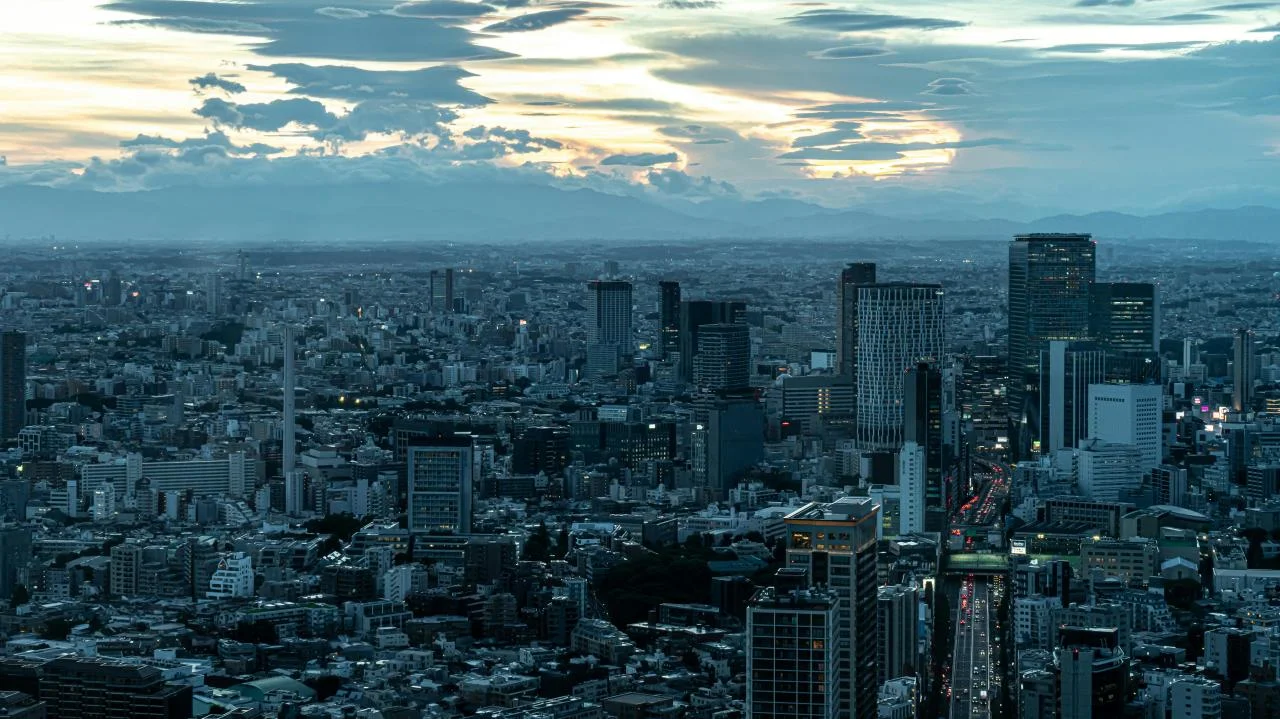
Picture this: you walk through downtown San Francisco on a Tuesday at noon, and the streets feel like a weekend. No lunch rush, no queue at the coffee shops, no suits flooding the sidewalks. It's eerie, almost like the city is holding its breath. That's because roughly 35% of office space in major global cities now sits empty, a staggering number that would have seemed unthinkable in 2019. What happened? Remote work happened, and it didn't just change where we work—it fundamentally broke the model that cities built their economies around.
For decades, city centers were designed around one simple idea: people would travel there every weekday to work, shop, and spend money. That assumption underpinned everything from transit systems to rent prices to the types of businesses that thrived. But when companies realized they could operate just fine with employees working from home, the spell broke. Now, about 42% of the global workforce operates under some form of hybrid arrangement, and in cities like Amsterdam, Singapore, and Austin, that number is even higher. Does this mean city centers are dying? Not exactly—but they're definitely transforming.
The most visible change is the conversion of commercial buildings into residential spaces. In New York City, over 200 office buildings have received approval for residential conversion since 2022, a trend now spreading to London, Toronto, and Hong Kong. These transformations aren't cheap—converting a single office floor can cost millions—but developers see opportunity in the shift. Why build new when there's an ocean of empty square footage just waiting? Local governments are often facilitating this through zoning reforms and tax incentives, recognizing that housing shortages in urban cores are partly self-inflicted wounds from over-zoning for commercial use.
Here's the thing that surprises most people: not all workers left the office. Senior executives, legal professionals, financial analysts, and creative agency teams still tend to congregate in person, though usually on a reduced schedule. This has created an interesting stratification—some buildings are ghost towns while others buzz with activity three days a week. The workers who remain tend to be higher earners, which is reshaping spending patterns in downtown areas. Luxury restaurants and high-end gyms are thriving; the mid-tier sandwich shops and dry cleaners are struggling. Is this the kind of inequality we want to codify into our urban design?
The writing is on the wall: city centers can't survive as pure office districts anymore. They need to become destinations again—places people choose to visit for reasons beyond a paycheck. That means more green spaces, more cultural venues, more affordable housing woven throughout, and better public transit connecting these revitalized cores to the wider metropolitan area. Some cities are already ahead of this curve. Singapore's downtown is morphing into a mixed-use playground, while Copenhagen is investing heavily in cycling infrastructure and pedestrian zones. The question isn't whether city centers will change—it's whether they'll change fast enough to remain relevant.
The hybrid work revolution isn't a temporary disruption; it's the new baseline. Cities that adapt will thrive. Those that cling to 20th-century models of urban development will find themselves with a lot of very expensive, very empty buildings.