The Countries Where Your Dollar Stretches Furthest in 2026
In 2026, the cost-of-living differential between the world's most expensive and most affordable countries remains stark, with the US dollar buying roughly 3x more in purchasing power in countries like Vietnam, Mexico, and Georgia compared to Switzerland or Norway.
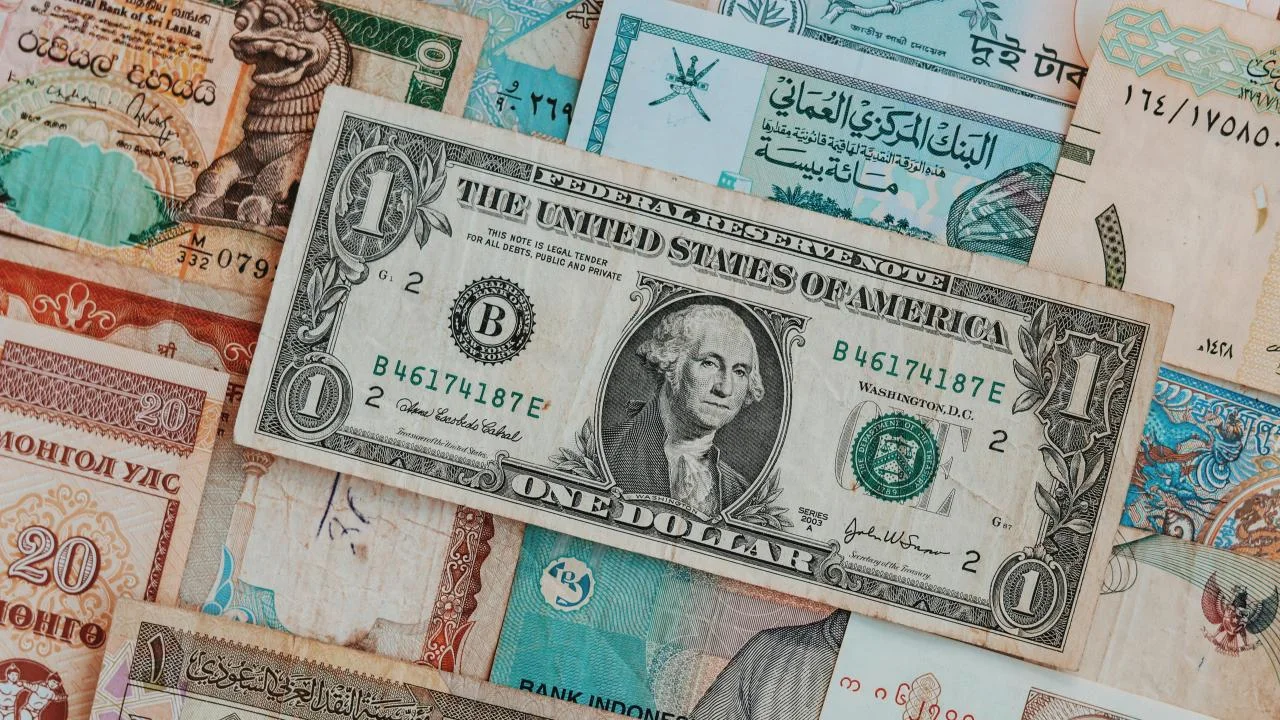
Let me paint you a picture. You wake up in a sunny apartment in Chiang Mai, Thailand. Your morning coffee cost you $1.50. You grab a full Thai lunch for $2. You're living comfortably—rent, food, coworking, occasional massage—on $1,500 a month. Now imagine doing the same in Zurich, Switzerland. That $1,500 wouldn't even cover your rent. Welcome to the wild world of purchasing power parity in 2026, where geography is still destiny when it comes to your bank account.
The core drivers are straightforward: local wages, infrastructure costs, and the degree to which an economy is integrated into global markets. Countries with lower overall GDP per capita tend to have dramatically cheaper services, housing, and food—particularly locally-sourced items. A bowl of pho in Hanoi costs $1.50 not because the ingredients are worth less, but because the chef earns $300 a month instead of $3,000. Exchange rates also play a massive role. When currencies fluctuate, the relative buying power of the US dollar shifts dramatically. A strong dollar period—like we're experiencing now—means your American salary suddenly opens doors in dozens of countries that were previously out of reach.
Based on comprehensive cost-of-living indices, here are the countries where your dollar currently works hardest: Vietnam leads the pack for Southeast Asia, with monthly budgets of $800-1,200 covering comfortable living in cities like Da Nang and Ho Chi Minh City. Georgia (the country, not the US state) offers a fascinating blend of European proximity and Asian pricing, with Tbilisi becoming a digital nomad hotspot. Mexico continues to dominate for North Americans, with cities like Oaxaca and Merida offering vibrant expat communities at roughly 40-50% of US costs. Portugal—once a bargain—has gotten pricier, but still ranks in the top 20 for Europe. Bulgaria, Albania, and Serbia are emerging as the next frontier for budget-conscious expats seeking European addresses without European prices.
Here's the catch that trip reports rarely mention: the longer you stay, the more complications emerge. Visas have limits. Healthcare quality varies wildly. Internet reliability in cheap countries can be frustrating. And the "cheap" lifestyle often comes with trade-offs—smaller apartments, language barriers, less predictable infrastructure. Some expats find themselves spending more than expected when they factor in flights home, imported groceries to scratch certain itches, and the occasional trip to a private hospital. The real question isn't just where your dollar stretches furthest—it's where your dollar stretches furthest while maintaining the quality of life you actually need to be happy.
For digital nomads bouncing between countries, Southeast Asia and Latin America remain the obvious winners. For families seeking stability and international schools, places like Malaysia, Thailand, and Mexico offer better infrastructure. For early retirees chasing that specific combination of good weather, low costs, and decent healthcare, Ecuador, Panama, and Costa Rica all have specialized visa programs designed exactly for this.
The dollar's strength in 2026 has genuinely opened possibilities that seemed fantasy-level just a decade ago. But chasing pure geography arbitrage without understanding the human element is how you end up miserable in paradise. Choose wisely, visit first, and remember that cheap is only cheap if you're happy there.