The Cafés Where Remote Workers Actually Get Things Done
Not all cafés welcome laptops. The ones that do have cultivated a specific atmosphere, infrastructure, and culture that makes productivity possible.
After six months of working from cafés, I developed what I call the third café principle: the first two cafés you try will be wrong. One will have beautiful light and terrible WiFi. The other will have perfect connectivity but seating designed for customers who finish their drinks in thirty minutes. The third café, the one you keep returning to, will have solved the configuration problem that makes sustained work possible.
The cafés that work for remote work share characteristics that no review site consistently identifies. The power outlet density per square meter matters more than the star rating. The background music volume that permits phone calls without forcing you to take them matters more than the coffee quality. The staff attitude toward customers who occupy tables for five hours with two espressos determines whether you can return tomorrow.
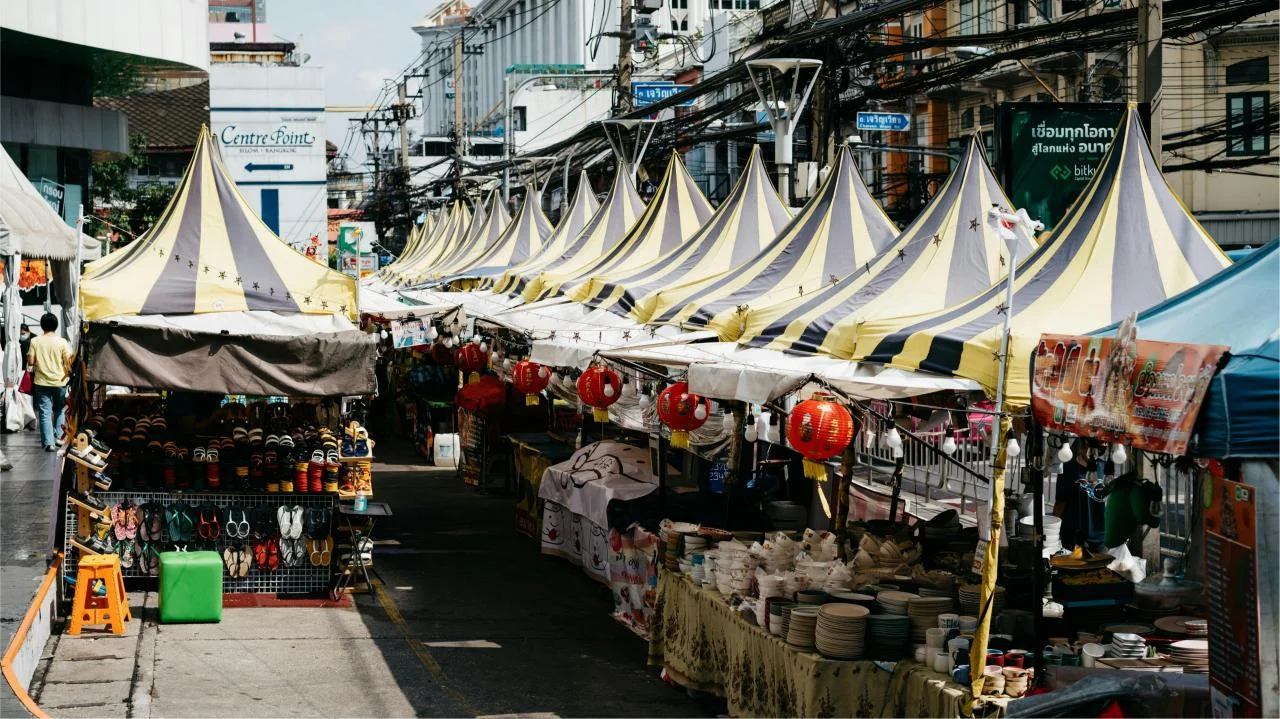
The cafés that have deliberately cultivated remote worker clientele have solved these problems systematically. The Lisbon chain that now operates across twelve cities has standardized the power outlet placement, the desk height, the window light filtering, and the menu pricing that makes five-hour work sessions economically viable. The Bangkok independent that has been operating for twenty years discovered the formula accidentally through word of mouth among the expat community.
The coworking spaces that have proliferated across every major city offer reliability that cafés cannot match. The dedicated desk that is yours every day, the meeting rooms that can be booked by the hour, the printing and conference facilities that cafés cannot provide — these features justify the monthly fees that range from two hundred to a thousand dollars depending on city and tier.
The discount networks that some coworking operators have created across cities provide access to spaces in hundreds of locations worldwide for members of any participating operator. The work-from-anywhere employee whose company has a corporate membership can access facilities across multiple continents without additional payment.
The libraries and university spaces that allow public access provide the quiet productivity environment that cafés cannot match. The National Library of Singapore, the public reading rooms in most major European cities, the university libraries that permit external visitors during non-term periods — these spaces offer reliable WiFi, quiet atmosphere, and zero consumption requirements.