The Seasons That Make Each Destination Worth Visiting
Every destination has a season that defines it — when the light is right, the food is fresh, the festivals happen, and the city shows its actual character rather than its tourist performance.
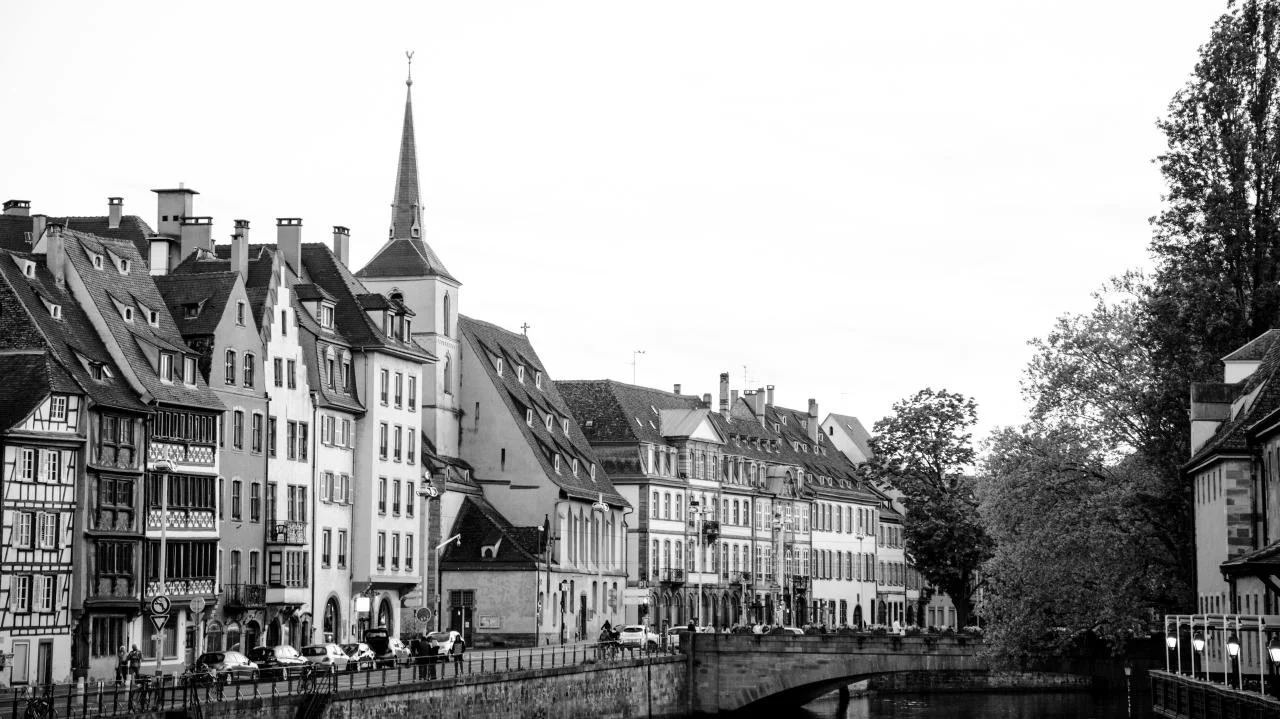
I arrived in Lisbon in December, expecting the gray misery that winter brings to most European cities. What I found instead was the light that photographers travel across continents to capture. The low Atlantic sun that makes the tiled facades glow, the afternoon gold that lasts until five in the evening, the winter light that the summer tourists never see because they come in July when the light is harsh and vertical.
The seasonal intelligence that expats develop through living somewhere year-round reveals dimensions that no travel guide captures because travel guides optimize for the most common visitor experience. The restaurant that is closed in August because the owners holiday like everyone else. The beach town that is authentic in February and overrun in August.
The shoulder seasons — the weeks between peak and off-peak — offer the most interesting combination of favorable conditions and authentic character. The October visit to Kyoto when the autumn color has started but the crowds have not peaked. The May visit to Barcelona when the city is preparing for summer festivals but the queues are manageable.
The timing of local events that no international calendar captures reveals cultural rhythms that mass tourism has not yet flattened. The neighborhood festivals that operate on community schedules rather than tourist calendars. The religious celebrations that may shift based on lunar calendars or local decisions.
The weather that travelers assume they want is not always the weather that produces the best experience. The Mediterranean summer that is theoretically ideal arrives with forty-degree temperatures that make sightseeing miserable and prices that reflect peak demand. The winter that travelers avoid in many destinations produces atmospheric conditions, empty attractions, and local culture that peak season crowds prevent.
The rainy season in tropical destinations that most travelers avoid produces the green landscapes, the dramatic photography conditions, and the price reductions that reward the prepared. The winter that Northern European cities impose creates the Christmas market atmosphere, the cozy café culture, and the low-season pricing that makes extended stays affordable.