The Weekend Markets That Define Each City's Rhythm
Every city has a market day that organizes the week around it. The morning you wake up knowing the market opens at seven, you will be there by eight.
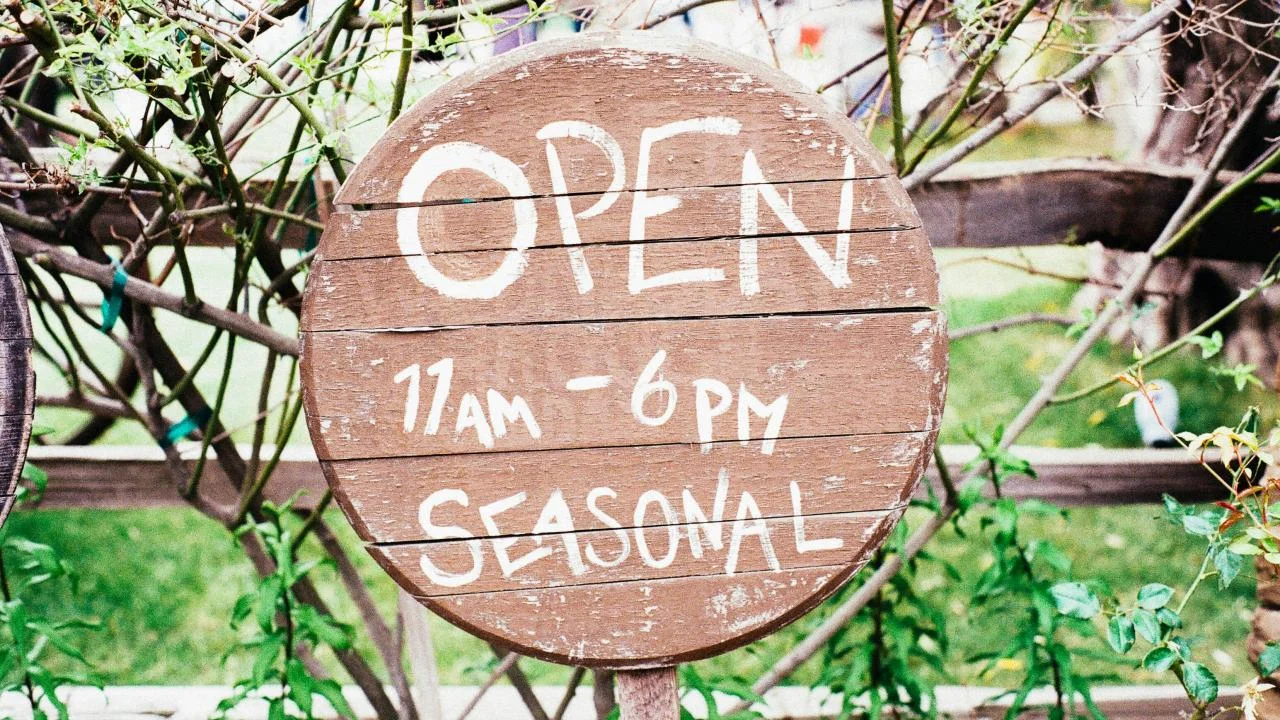
Barcelona's Sant Antoni market has been feeding the neighborhood since 1882, and the rhythm of the market has organized the surrounding streets for over a century. The booksellers that appear on Sundays. The specific corner where you buy chicken from the vendor who always throws in extra. The café across from the main entrance where the market workers breakfast at six in the morning.
The weekend markets in cities across the world perform the same social function with different specific character. The morning wet market in Singapore's Tiong Bahru neighborhood where the fishmonger calls out the catch and the vegetables are still damp from the farm. The Sunday antique market in London's Portobello Road where the regulars have their coffee at the same table every week.
The market schedule that defines your weekly rhythm is the anchor around which other routines organize. The breakfast that you eat at the market becomes the reason to wake up early on Saturday. The conversation with the vendor who has seen you for six months becomes the relationship that makes the market feel like yours.
The market often costs more than the supermarket equivalent, which surprises travelers who assume that direct-from-producer purchasing eliminates middleman costs. The premium reflects the quality, the selection, and the service that the market provides. The regular vendor relationship that generates the occasional discount, the first access to seasonal products.
The comparison shopping that market tourists do across multiple stalls creates savings that the locals who buy from their regular vendors do not pursue. The tourist who spends an hour comparing prices and quality across the market achieves a lower per-unit cost; the local who buys from the vendor they trust achieves a different value.
The market calendar that operates in most cities involves special markets beyond the weekly routine. The monthly art market, the seasonal food festivals, the holiday markets that transform the regular space into something different. These events create the texture of urban life that residents look forward to.